

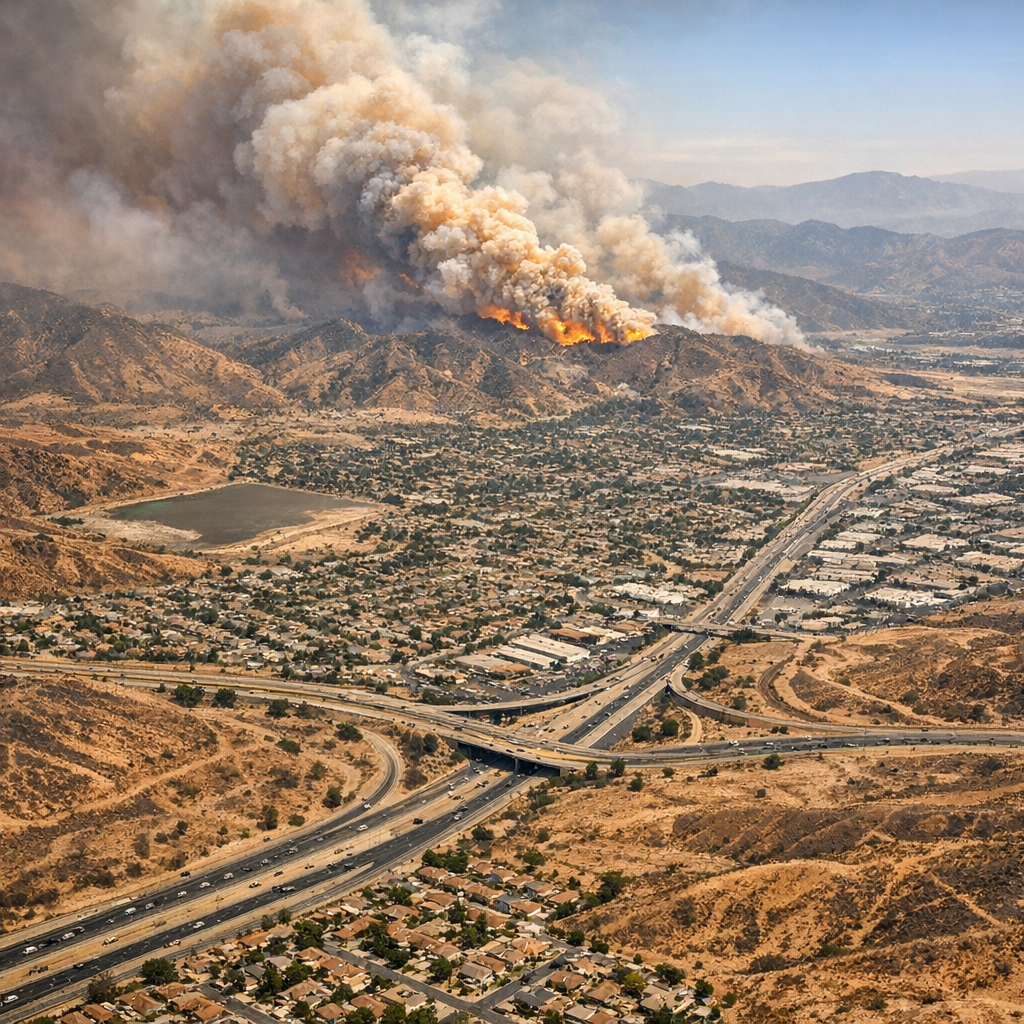
In our interconnected world, events unfolding thousands of miles away can have tangible effects on local communities, including here in Corona, California. Understanding these global-local connections is essential for fostering resilience and informed decision-making.
Climate Change: A Global Challenge with Local Repercussions
Climate change is a pressing global issue with direct impacts on local environments. A Pew Research Center survey found that 57% of U.S. adults believe climate change is affecting their local community at least some. This sentiment is even more pronounced among Hispanic adults, with 71% acknowledging its local impact. In Corona, residents may experience these effects through increased heatwaves, altered precipitation patterns, and heightened wildfire risks.
Economic Ripple Effects from Global Conflicts
International conflicts can disrupt global supply chains, leading to local economic challenges. For instance, geopolitical tensions may cause fluctuations in fuel prices, affecting transportation costs for businesses and consumers in Corona. Such disruptions can lead to increased prices for goods and services, impacting household budgets and local economic stability.
Public Health Concerns Stemming from Global Crises
Global health crises, such as pandemics or the resurgence of diseases like cholera, can strain local healthcare systems. The World Health Organization reported a significant increase in cholera cases worldwide, with over 600,000 cases and nearly 7,600 deaths across 33 countries in 2025. While Corona has robust healthcare facilities, the interconnected nature of global travel and trade means that local health services must remain vigilant and prepared for potential outbreaks.
Community Resilience and the Importance of Staying Informed
Recognizing the local implications of global events underscores the importance of community resilience and proactive planning. By staying informed about international developments, residents and local authorities in Corona can better anticipate challenges and implement strategies to mitigate adverse effects. Engaging in community discussions, supporting local initiatives aimed at sustainability, and fostering connections with broader networks can enhance our collective ability to navigate the complexities of a globalized world.
In conclusion, while global events may seem distant, their impacts are often felt close to home. By understanding these connections, the Corona community can work together to build a more resilient and informed future.